In the world of rapid evidence synthesis, there is a temptation to rush straight to the final report. At the Center for Rapid Evidence Synthesis (ACRES), we choose a different path. We call it the Evidence validation dialogue.
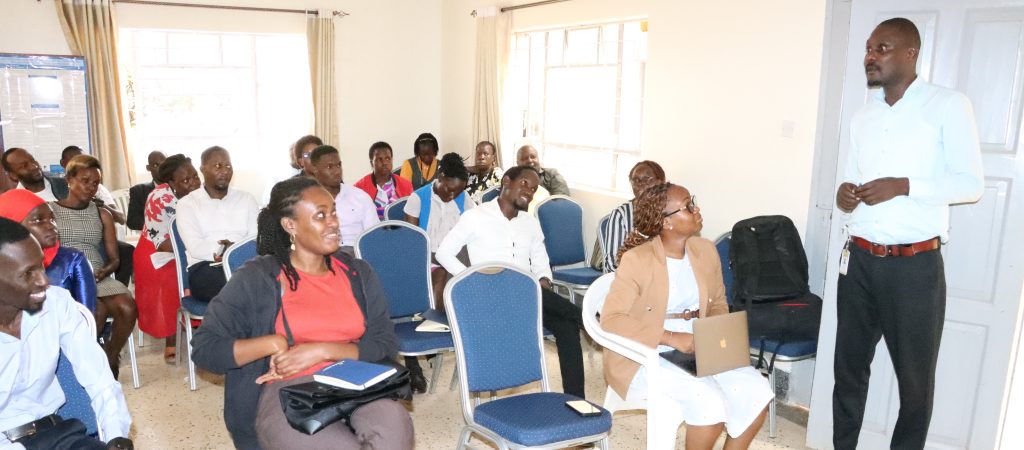
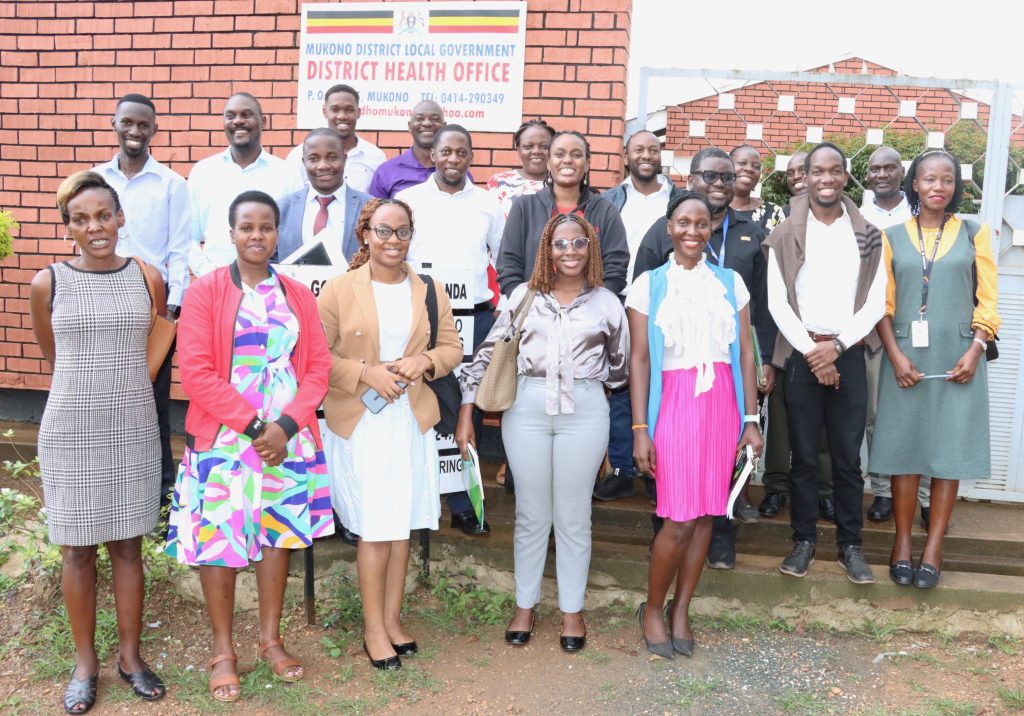
Last week in Mukono District, we sat down with the District Health Team (DHT) to present preliminary findings on maternal health, malaria vaccination, and data reporting. We met with the Team to stress-test our research, bridging the gap between global evidence and the local expertise needed to drive real-world change.
Why validation matters
Policymakers provide the local context, often the missing piece of the puzzle. During the session, the Mukono team provided insights that refined our evidence on perinatal mortality and helped us understand why private facilities struggle with DHIS2 reporting.
Also, knowledge brokers often struggle with getting feedback from busy policymakers, a problem solved by an evidence validation dialogue. This eases knowledge brokerage and quickens the giving of policymakers the synthesis requested for.
Dr. Stephen Mulindwa, the District Health Officer (DHO), emphasized the importance of this collaboration.
“We appreciate ACRES. We take whatever they have presented with a good spirit and then we go back to the drawing board and implement,” he said.
When evidence is participatory, it is owned by the policymaker. This is how we ensure that our research changes lives and saves lives in the facilities where it matters most.
Watch highlights of the discussion