User Experiences | Living EIDM ToolMap
The growing availability of digital tools presents new opportunities for researchers working in evidence synthesis. However, identifying appropriate tools for different research activities can be challenging, particularly when these resources are spread across multiple platforms.
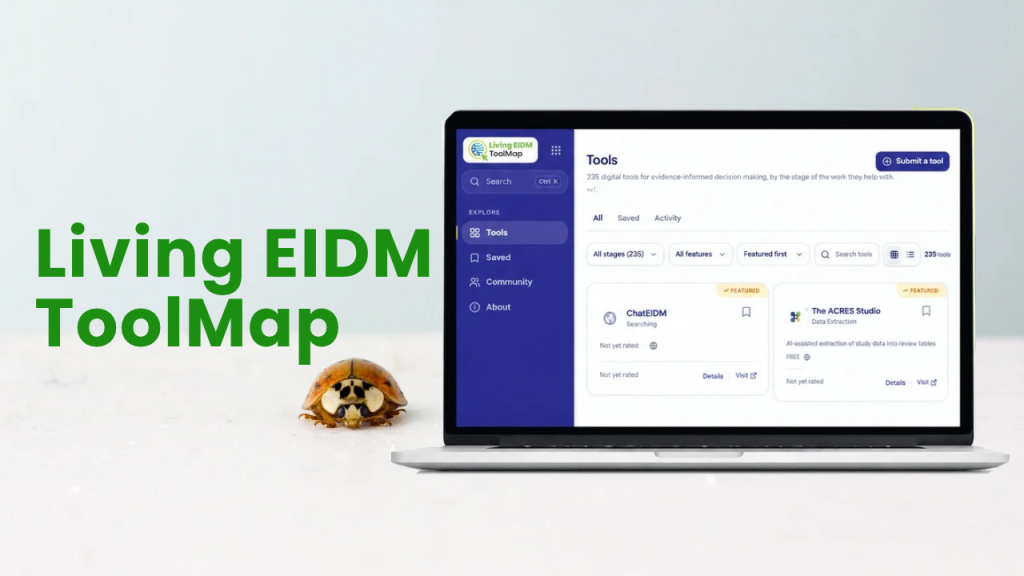
The Living EIDM ToolMap brings together digital tools in one repository, organised according to the different stages of the evidence synthesis workflow, making them easier to discover and explore.
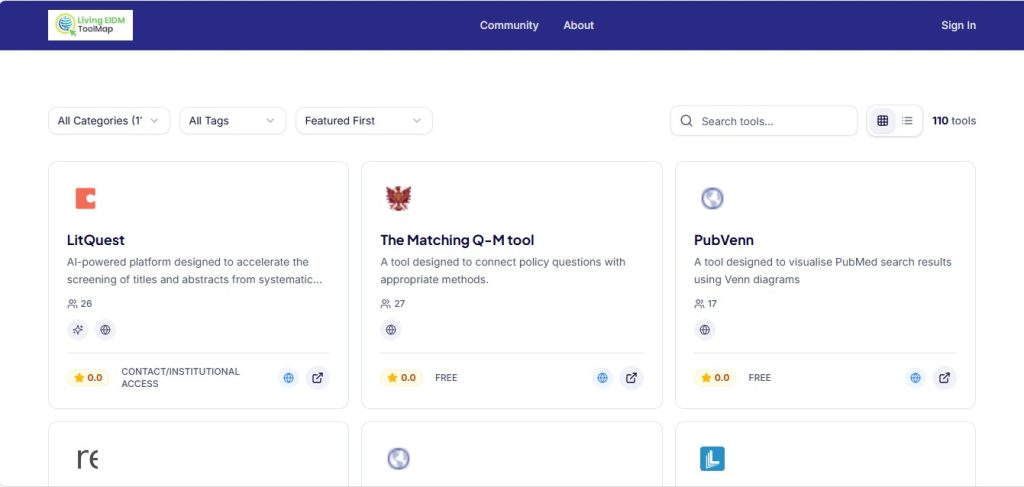
In the first edition of our Q&A series, we speak with Caroline Nakalema, a Research Associate, about her experience using the ToolMap, its value to researchers, the challenges it helps address and its potential to support evidence synthesis in the future.
Q. What makes the Living EIDM ToolMap a useful resource for researchers?
The Living EIDM ToolMap makes it easier to navigate the growing range of digital tools available to support evidence synthesis. With so many tools emerging, identifying those that are relevant to a particular research task can be challenging and time-consuming.
Having these tools brought together in one repository provides a convenient starting point for researchers to explore available options, understand what they offer and identify those that best suit their needs. It makes the process of discovering and accessing relevant digital tools much more straightforward.
Q. How does having digital tools in one repository benefit your evidence synthesis process?
One of the biggest benefits is the time saved when searching for appropriate tools. Instead of having to visit multiple websites, conduct numerous searches and independently navigate different platforms, researchers can use the ToolMap as a central point of reference.
This makes it easier to discover tools they may not have encountered before and explore different options in one place. Ultimately, it allows researchers to spend less time searching for tools and more time focusing on the actual research process.
Q. How does the ToolMap help you navigate the growing range of digital tools available for evidence synthesis?
The ToolMap provides an organised way of exploring the expanding landscape of digital tools for evidence synthesis. It brings together tools that support different stages of the evidence synthesis workflow, making it easier to identify what is available and where particular tools may be useful.
This is particularly valuable as new technologies and digital solutions continue to emerge. Rather than navigating this landscape without a clear starting point, researchers have a repository that helps them explore available options more systematically.
Q. How does the ToolMap help you identify tools that are relevant to different stages of your research?
Evidence synthesis involves several stages, and different tasks require different types of support.
The ToolMap helps researchers explore digital tools according to the stages of the evidence synthesis workflow they are working on. This makes it easier to identify tools that are appropriate for specific research activities rather than relying on a single solution for the entire process.
It also creates an opportunity to discover alternative tools and approaches that researchers may not have previously considered.
Q. What would you say is the biggest value of having the Living EIDM ToolMap available to the research community?
I would say its biggest value is making the discovery of digital tools for evidence synthesis easier and more accessible.
The growing number of available tools presents both opportunities and challenges for researchers, particularly when it comes to knowing what exists and which tools are most appropriate for their work.
The ToolMap helps address this by bringing these resources together in one place. It is a useful starting point for researchers looking to explore available technologies, save time and make more informed choices about the tools they use.
Q. What challenges do researchers face when identifying and selecting appropriate digital tools for evidence synthesis, and how does the ToolMap help address them?
One of the main challenges is navigating the growing number of digital tools available and determining which ones are most appropriate for different research needs.
Tools are often scattered across different platforms, making them difficult to discover, compare and assess. Researchers may spend considerable time searching for solutions without necessarily knowing what is available.
The Living EIDM ToolMap helps address this challenge by bringing these tools together in one repository and organising them according to the different stages of the evidence synthesis workflow. This provides a more structured starting point for discovering relevant tools and exploring available options.
Q. Looking ahead, what potential do you see for the Living EIDM ToolMap in supporting research and evidence synthesis?
I see considerable potential for the ToolMap as the digital tools landscape continues to expand.
As new technologies, particularly AI-enabled solutions, emerge, researchers will increasingly need reliable ways to discover and navigate these resources.
The ToolMap can become an even more valuable resource by continuously incorporating emerging tools, improving access to information and responding to the evolving needs of the research community.
I also see opportunities for greater engagement among researchers and other users, which could strengthen the repository and make it an increasingly useful resource for evidence synthesis.
Explore the Living EIDM ToolMap
Discover digital tools that support different stages of the evidence synthesis workflow, explore available options and identify those relevant to your research needs.
Visit tools.acres.or.ug to explore the repository.