In the fast-paced world of policymaking, waiting months for a research paper isn’t an option. The ACRES Rapid Response Service (RRS) is a high-speed knowledge translation engine designed to meet decision-makers exactly where they are. We take urgent policy questions and return a package of synthesized, contextualized, and actionable evidence, often in as little as 28 days.
How the service works
The RRS is a demand-driven model. We engage in an iterative partnership to ensure the evidence actually solves the problem at hand.
- Clarify: We work directly with the policymaker to strip the problem down to its core.
- Synthesize: Our dedicated team of researchers conducts an exhaustive global search for the best available data.
- Contextualize: We frame the findings specifically for the Ugandan reality.
- Assure: Every brief undergoes a dual review—internal for scientific rigour and external to ensure it fits the current policy climate.
(This process is illustrated below).
Originally built to support the health sector, the RRS has become a vital resource for senior and mid-level leaders across the government. Recognizing that modern challenges are interconnected, we have expanded our “Service Desk” model to provide rapid evidence for:
- Education & Youth
- Gender Equality
- Environment & Renewable Energy
The Center operates a rapid response service desk focused on the energy and health sectors. By operating a dedicated service desk, ACRES ensures that when a crisis hits or a window of opportunity opens, policymakers have a direct line to the evidence they need to lead with confidence.
The process:
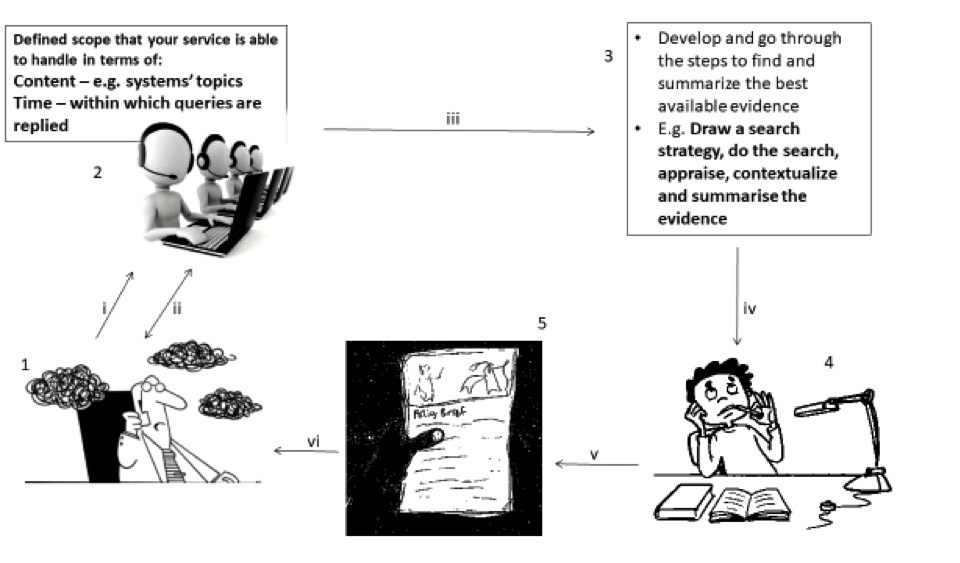
Figure 1: A figurative representation of the structure of a Rapid Response Service